
California Sweepstakes Ban 2026: AB 831 Impact on SC Players
 Available in US
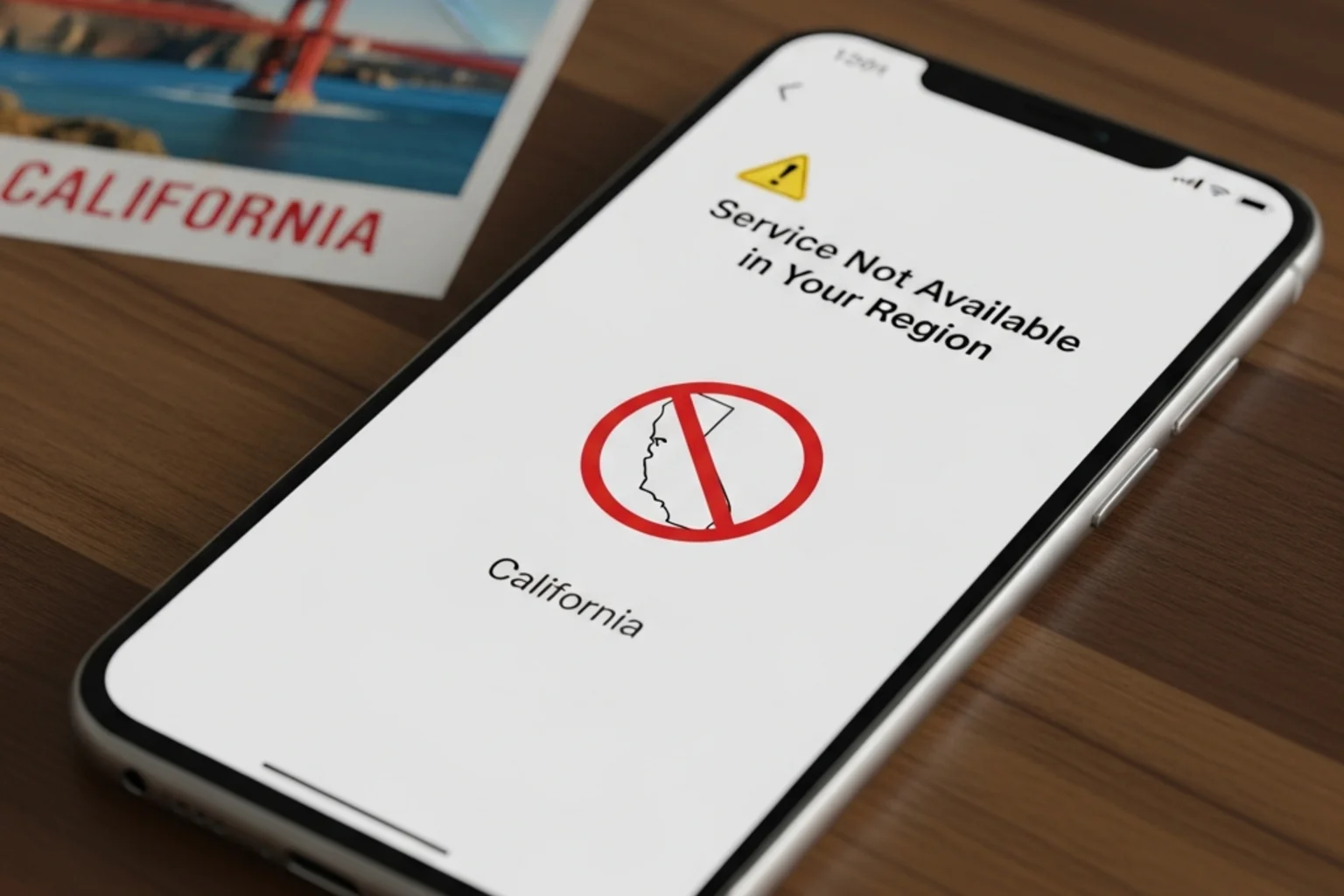
California became the largest state to ban sweepstakes casinos when AB 831 took effect on January 1, 2026. The legislation, signed by Governor Newsom on October 11, 2025, effectively ended sweepstakes casino operations for approximately 40 million Californians who could previously access these platforms legally.
The impact extends beyond California’s borders. According to Eilers & Krejcik Gaming estimates, the state represented 17-20% of the entire US sweepstakes market, making its exit a significant blow to an industry that had been growing at 60-70% annually. Operators who once counted California among their largest markets now face geo-blocking requirements and dramatically reduced player pools.
For California residents, the ban means no more Chumba Casino, no more Stake.us, and no more of the dozens of sweepstakes platforms that operated freely in the state through 2025. This guide explains what happened, why it happened, and what options remain for CA players in 2026.
California Sweepstakes Ban 2026 — More on this topic at free sweeps coins.
What AB 831 Does
AB 831 prohibits online casino games that offer real-money prizes through a sweepstakes model. The legislation closes the legal framework that allowed sweepstakes casinos to operate outside traditional gambling regulation by offering Sweeps Coins as promotional items rather than direct wagers.
The bill targets platforms where players can purchase virtual currency packages that include Sweeps Coins redeemable for cash prizes. Under California law, this combination now constitutes illegal gambling regardless of how operators structure their promotional mechanics. The “no purchase necessary” alternative methods (like mail-in requests) that technically satisfied sweepstakes law don’t provide a loophole.
The ban applies to operators, not individual players. California isn’t criminalizing people who played sweepstakes casinos before 2026 or attempting to pursue players who might access platforms through VPNs. The enforcement focus targets companies offering these services to California residents.
Physical social casino games and traditional tribal gaming remain unaffected. AB 831 specifically targets online sweepstakes platforms. California’s tribal casinos, card rooms, and state lottery continue operating under their existing regulatory frameworks. The legislation addresses the online sweepstakes category that emerged and exploded in popularity over the past several years.
How the Ban Passed
AB 831 passed with overwhelming support in both chambers of the California legislature. The State Senate approved the bill 36-0, and the Assembly followed with a 63-0 vote. This unanimous support reflected rare bipartisan consensus that sweepstakes casinos represented a regulatory gap requiring closure.
The coalition supporting AB 831 included California’s tribal gaming interests, which saw sweepstakes casinos as unregulated competition siphoning potential customers. Traditional gambling industry stakeholders also backed the legislation, viewing sweepstakes platforms as an end-run around the licensing, taxation, and consumer protection requirements they face.
Consumer protection advocates provided additional support, arguing that sweepstakes casinos lacked adequate responsible gaming safeguards and operated without meaningful oversight. The absence of age verification systems comparable to regulated gambling concerned child welfare groups. Problem gambling researchers noted the potential for harm from platforms that looked and functioned like casinos but existed outside therapeutic intervention frameworks.
Opposition came primarily from the Social Gaming Leadership Alliance and sweepstakes operators themselves, who argued the platforms provided legal entertainment that would simply be replaced by offshore gambling sites. They advocated for regulation and taxation rather than outright prohibition. This position gained little traction in Sacramento, where the political alignment favoring a ban proved decisive.
Penalties and Enforcement
Operators who continue offering sweepstakes casino services to California residents face significant penalties under AB 831. Violations can result in fines up to $25,000 per offense and potential criminal prosecution with imprisonment up to one year. The penalty structure treats ongoing violations seriously, with each day of continued operation potentially constituting a separate offense.
Enforcement authority rests with the California Attorney General and local district attorneys. They can pursue civil and criminal remedies against companies that fail to implement geo-blocking or otherwise continue serving California players. Payment processors who facilitate transactions for non-compliant operators also face potential liability.
Major sweepstakes operators complied before the January 1 deadline. VGW (Chumba Casino, LuckyLand Slots), Stake.us, and most established platforms implemented geo-blocking and notified California players of the impending changes in late 2025. Players received emails explaining that services would end and recommending completion of any pending withdrawals before the cutoff.
Some smaller or offshore-based operators may attempt to continue serving California despite the ban. Players who access such platforms take on risk: not just potential legal exposure, but dealing with operators who demonstrate willingness to ignore regulatory requirements. If they’ll ignore California law, how confident should you be they’ll honor withdrawals?
Industry Impact
Losing California dealt a substantial blow to sweepstakes casino revenue projections. According to KPMG’s Sweepstakes Gaming Primer, the industry achieved gross revenue exceeding $10.6 billion in 2024, with California contributing a significant share. Eilers & Krejcik Gaming estimates suggest the state represented 17-20% of US sweepstakes revenue.
Industry analysts have revised growth forecasts downward. Where 2025 projections once anticipated continued expansion, the combination of California’s ban and regulatory pressure in other states prompted Eilers & Krejcik to predict net revenue declining by 10% in 2026, dropping to approximately $3.6 billion. The high-growth era that saw 60-70% annual increases appears to be ending.
Operators responded by intensifying focus on remaining legal markets and diversifying into other gaming categories. VGW, the market leader, has been expanding its lottery services business. Smaller operators face more difficult choices, with some likely to exit the market entirely if they can’t sustain operations without California’s player base.
The California ban also established a template for other states considering similar legislation. When the nation’s most populous state passes sweepstakes prohibition unanimously, it provides cover and precedent for legislators elsewhere. New York’s subsequent crackdown followed similar logic, and New Jersey has restrictive legislation in progress.
What California Players Can Do
Legal options for California residents seeking sweepstakes-style gaming have narrowed considerably. The platforms that once operated freely now block California IP addresses and require address verification that excludes the state.
California’s tribal casinos offer in-person gaming with real-money wagering. While this doesn’t replicate the convenience of online play from home, it remains fully legal. Many tribal properties feature slot machines and table games similar to what sweepstakes platforms offered digitally. The experience differs, but the core entertainment value transfers.
See also New York Sweepstakes Crackdown.
Social casinos without cash redemption continue operating in California. These platforms offer casino-style games for entertainment only, with no Sweeps Coins or cash prizes. Players who enjoyed the gaming experience rather than the prize potential may find this adequate. For those motivated primarily by winning real money, social casinos won’t satisfy.
Using VPNs to access sweepstakes casinos from California violates those platforms’ terms of service and potentially California law. Beyond legal risk, VPN users face practical problems: verification requirements may catch them, withdrawals may be blocked, and accounts may be closed with forfeited balances. The risk-reward calculation looks poor.
Some California players relocated or claimed residency elsewhere specifically to maintain sweepstakes access. This represents a significant life change over entertainment, and fraudulent residency claims create their own legal exposure. For most players, accepting that this particular form of gaming is no longer available in California makes more sense than restructuring their lives around it.
The political landscape could theoretically shift. Regulated sweepstakes gaming with taxation and licensing might someday gain legislative support in California. For now, that prospect appears distant. Players hoping for reversal should measure their optimism against the 99-0 combined legislative vote that passed AB 831.
Created by the "Free Sweeps Coins" editorial team.